Bologna Process
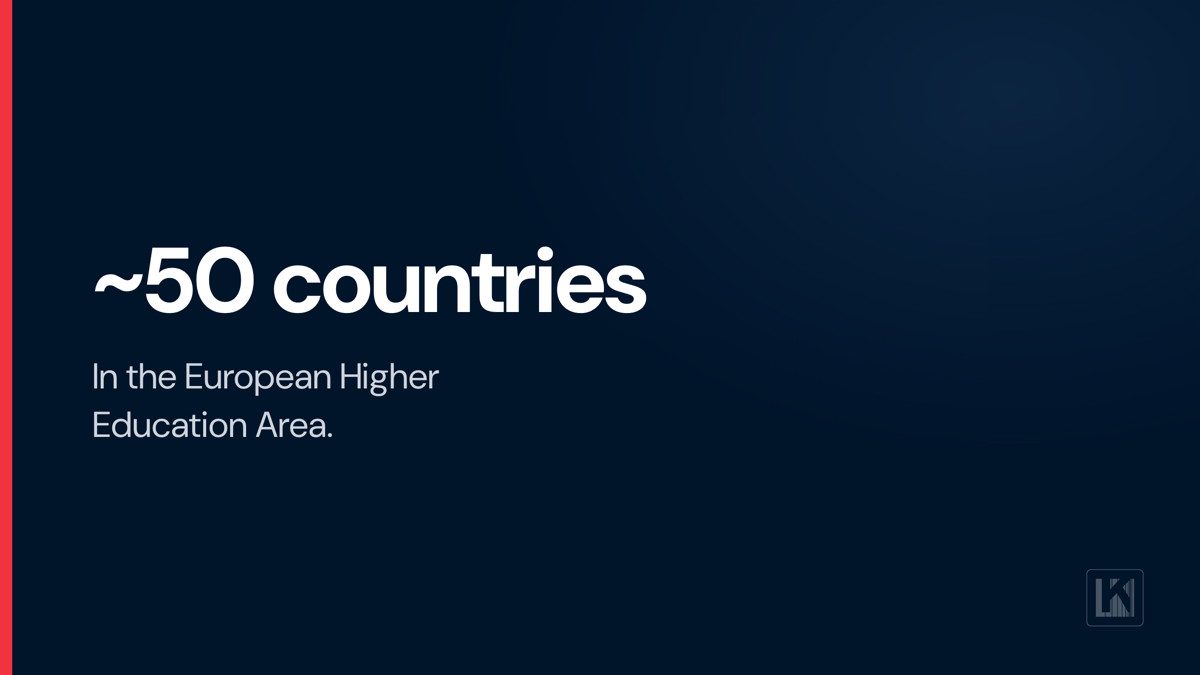
Bologna Process The Bologna Process is the intergovernmental reform that reorganised European higher education into a shared structure: bachelor, master and doctorate, measured in ECTS credits, with comparable quality assurance. It created the European Higher Education Area, which now covers close to fifty countries — well beyond the European Union.
Key facts
| What | Detail |
|---|---|
| Started | 1999, with the Bologna Declaration |
| Created | The European Higher Education Area |
| Membership | Close to fifty countries, not limited to the EU |
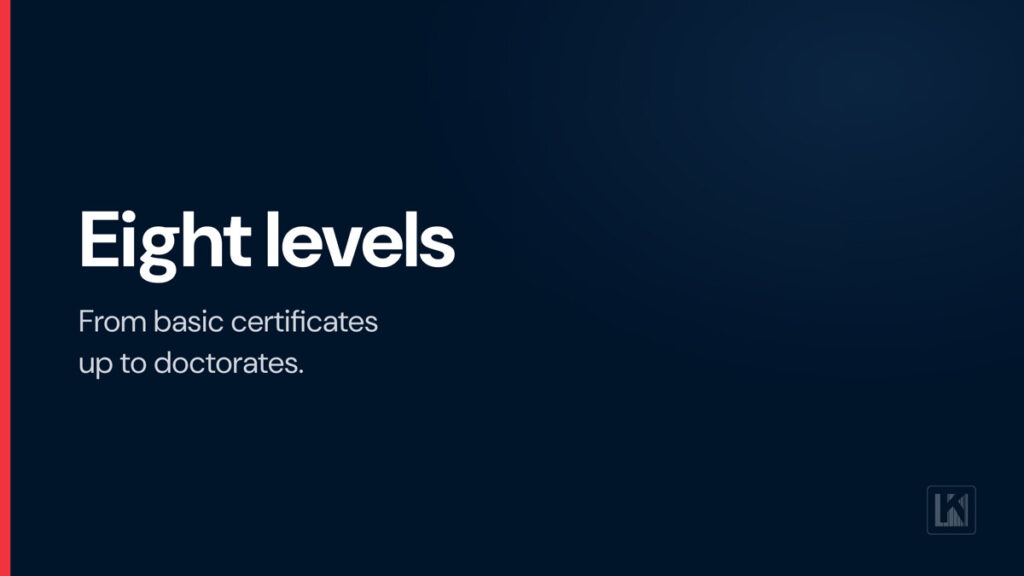
| Three cycles | Bachelor, master, doctorate |
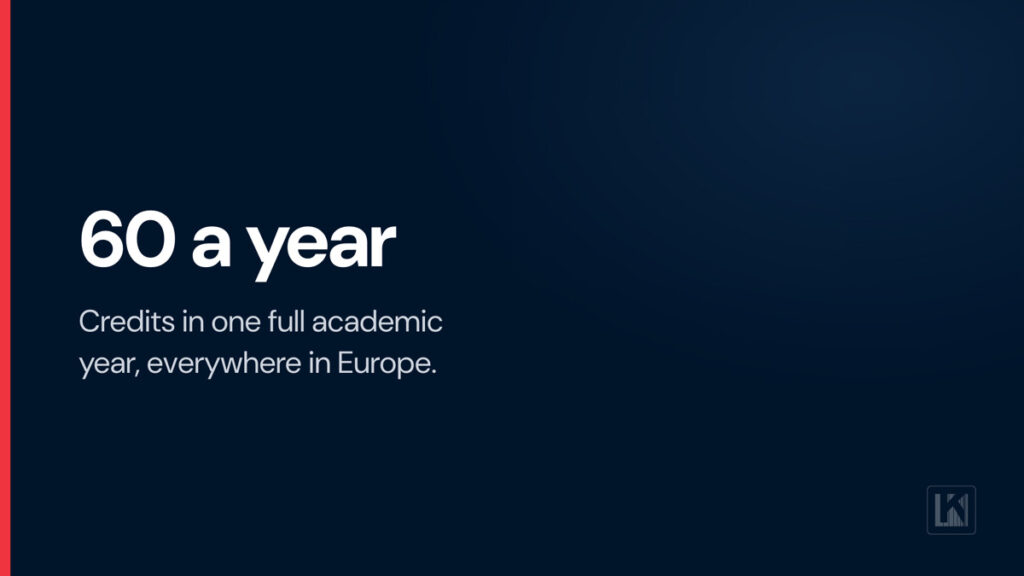
| Common currency | ECTS credits across all participating systems |
| Diploma Supplement | A standard description issued with each degree |
| Not a law | Intergovernmental commitments, implemented nationally |
What it replaced
Before Bologna, European degrees were structurally incompatible. Some countries ran long single-cycle degrees with no bachelor-level exit; others used credit systems that did not translate. A student who moved country usually started again.
The reform imposed a shared shape rather than a shared curriculum. Countries kept control of what is taught; what became common was the structure, the credit system and the obligation to describe qualifications in a way others can read.
What it means for a family choosing a school
Mostly it means the question “which country will my child study in” can stay open longer. A degree earned in one member country is structurally legible in the others, and a student can move between a bachelor in one and a master in another.
It does not make admission automatic. Universities still set their own entry requirements, and a school-leaving qualification still has to be one they accept. Bologna harmonised what happens after admission, not who gets in.
The framework is maintained by the European Higher Education Area.
At Schloss Krumbach
For a school the relevance is narrow but real: Bologna is the reason a leaving qualification that travels is worth more than one that does not. A student finishing here with the IB Diploma or Cambridge A Levels can apply across the European Higher Education Area and beyond without a recognition procedure for the school certificate itself.
That is the same argument behind choosing an international route over a national one in the first place — see Matura for how the local alternative compares. See also Academics.
Frequently asked questions
Is the Bologna Process an EU programme?
No. It is intergovernmental and covers close to fifty countries, including many outside the European Union. Implementation is national rather than enforced by EU law.
Does Bologna mean my child can study anywhere in Europe?
It means degrees are structurally comparable and credits transfer. Admission still depends on each university’s own entry requirements.
What is the Diploma Supplement?
A standard document issued with a degree describing its level, content and the system it came from, so that an employer or university abroad can interpret it.
Free PDF guide
IGCSE, IB or A Levels: which route fits your child?
The routes from Grade 9 to university side by side: what each qualification involves, how universities read it, and the questions to ask any school.
The PDF opens right after you submit.